
A Marriage can be Arranged. But a Relationship Must Be Built.
by Admin · November 4, 2026
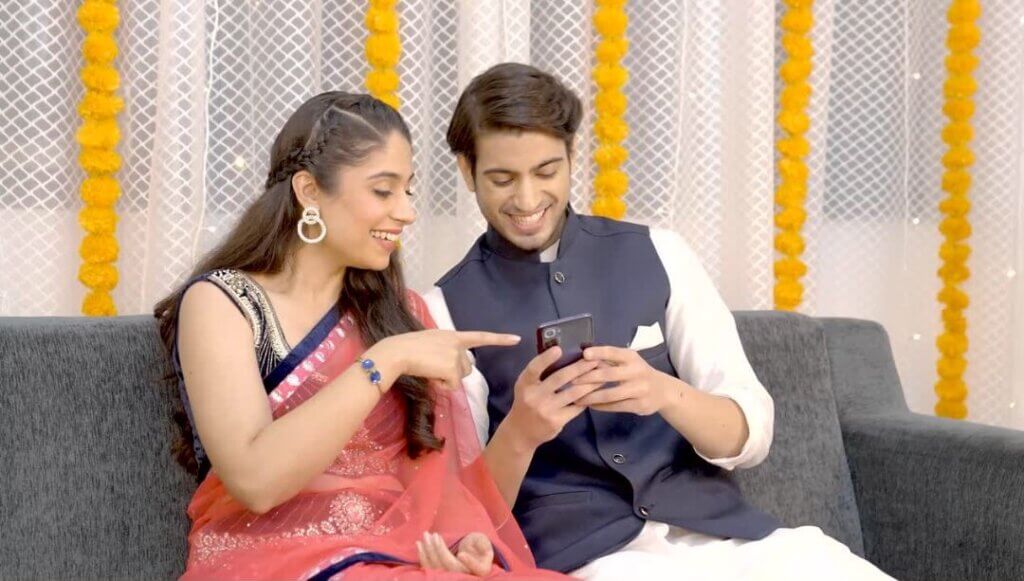
Found the Right Match for Your Child? Don’t Rush the Relationship!
Dear Parents,
Have you found a suitable bride or groom for your son or daughter?
Before you move ahead with wedding preparations, take a moment to pause and reflect.
Finding a suitable match is an important milestone. But finding the right person is only the beginning. Building a meaningful relationship requires time, understanding, trust, and emotional connection.
In an arranged marriage, the responsibility does not end with identifying a suitable match. Parents also need to provide their children with the time and space to understand each other and decide whether they are ready to build a life together.
A match can be found in a moment. A relationship takes time to build.
1. Beyond the Matrimonial Profile: Understanding the Person
When searching for a suitable match, parents naturally focus on several important aspects:
-
Family background and values
-
Physical appearance and health
-
Education and professional qualifications
-
Occupation and career prospects
-
Religious beliefs and cultural practices
-
Financial stability and responsibilities
These factors are important in determining compatibility. However, they do not necessarily reveal how two individuals will relate to each other in everyday life.
A well-matched matrimonial profile does not automatically translate into a well-matched relationship.
True compatibility also depends on trust, emotional safety, communication, mutual respect, and the ability to understand each other’s perspectives.
Finding the right person is the beginning. Understanding that person is the journey.
2. Give Them Time to Know Each Other
One or two meetings may be enough to create a positive impression, but they are rarely enough to understand another person’s personality, expectations, and emotional needs.
Do not expect a lifelong bond to develop within a few meetings.
Encourage your children to spend meaningful time getting to know each other. Let them talk about their interests, aspirations, concerns, and expectations from married life.
They should have the opportunity to understand:
-
How does the other person communicate?
-
What are their expectations from marriage?
-
How do they handle disagreements or difficult situations?
-
What are their priorities in life?
-
Do they feel comfortable and respected in each other’s company?
Love does not necessarily begin at the first meeting. It may develop gradually as two people become more comfortable, build trust, and discover their compatibility.
Give the relationship time to grow naturally.
3. Getting to Know the Person: Beyond What the Profile Says
Before committing to marriage, it is important for both individuals to make a thoughtful effort to understand each other.
Even when a prospective match is referred by relatives, friends, or a trusted matrimonial service, the individuals themselves need to take responsibility for understanding the person they may marry.
This process involves more than verifying educational qualifications, occupation, family background, or financial status.
It also includes understanding a person’s:
-
Character, values, and principles
-
Emotional maturity and empathy
-
Communication habits
-
Approach towards relationships and responsibilities
-
Personal strengths and areas of growth
-
Expectations from their future spouse
Where appropriate, individuals may also seek to verify important information through reliable sources and mutual acquaintances.
However, judging a person’s character solely through social media activity, past experiences, or assumptions can be misleading.
The objective is not to find a perfect person. It is to understand whether two individuals can respect each other’s differences, work through challenges, and build a compatible life together.
4. Parents’ Experience Matters. So Does Their Children’s Choice.
Young adults may sometimes overlook important aspects of compatibility because of excitement, emotional attachment, family expectations, or the pressure to make a quick decision.
This is where parents’ experience can be valuable.
Parents can help their children think about matters that may not immediately come to mind, such as:
-
Career aspirations and future professional plans
-
Financial responsibilities and spending habits
-
Expectations regarding family life
-
Living arrangements after marriage
-
Responsibilities towards parents and relatives
-
Work-life balance
-
Personal goals, interests, and lifestyle preferences
These conversations should be encouraged between the prospective bride and groom.
Parents can guide, advise, and share their experiences. However, the final decision should be made by the individuals who will be entering the marriage.
The best support parents can provide is not making the decision on behalf of their children, but helping them make an informed decision for themselves.
5. Emotional Intimacy: The Foundation of a Meaningful Relationship
Emotional intimacy is the ability to share personal feelings, thoughts, fears, and aspirations while feeling safe, understood, and respected.
It develops gradually through honest communication, mutual understanding, and the willingness to listen without judgment.
For a prospective bride and groom, developing emotional intimacy before marriage can help them understand each other’s emotional needs and build a foundation of trust.
It allows them to explore questions such as:
-
Can I express my thoughts freely with this person?
-
Do I feel heard and understood?
-
Can we discuss difficult topics respectfully?
-
Do we respect each other’s boundaries?
-
Can we support each other during challenging times?
Emotional intimacy does not mean that two people must share everything immediately or develop romantic feelings within a particular timeframe.
It means creating a safe environment in which both individuals can gradually become comfortable with each other.
A relationship built on mutual trust and emotional understanding has a stronger foundation for navigating the challenges of married life.
6. Marriage Is an Event. Building a Relationship Is a Journey.
In an arranged marriage, the process of finding a suitable match often involves families, relatives, and matrimonial services.
But the relationship itself belongs to the prospective bride and groom.
Parents may identify a suitable match. Families may find compatibility in their backgrounds. The profiles may meet all the expected criteria.
Yet, the most important question remains:
Do these two individuals understand each other well enough to choose a life together?
There is no universal timeline for developing a relationship. Some individuals may feel comfortable within a few meetings, while others may need more time.
What matters is not how quickly they decide, but whether they have had a genuine opportunity to understand each other and make their decision freely.
Dear Parents, your experience can guide your children. Your support can give them confidence. Your patience can provide them with the space they need.
Do not rush the relationship simply because the marriage preparations can begin.
Give your children the opportunity to discover whether they can build a lifetime of togetherness with the person they have found.
Marriage is an event. A relationship is a journey.
Let that journey begin with understanding, trust, and the freedom to choose.
Anuraga Matrimony – Guiding you towards meaningful relationships and lasting bonds. Please call on us for any help, advice or counselling towards matrimonial, pre marital or post marital counselling.
For appointments call – Ph : 8105626363.



Recent Comments